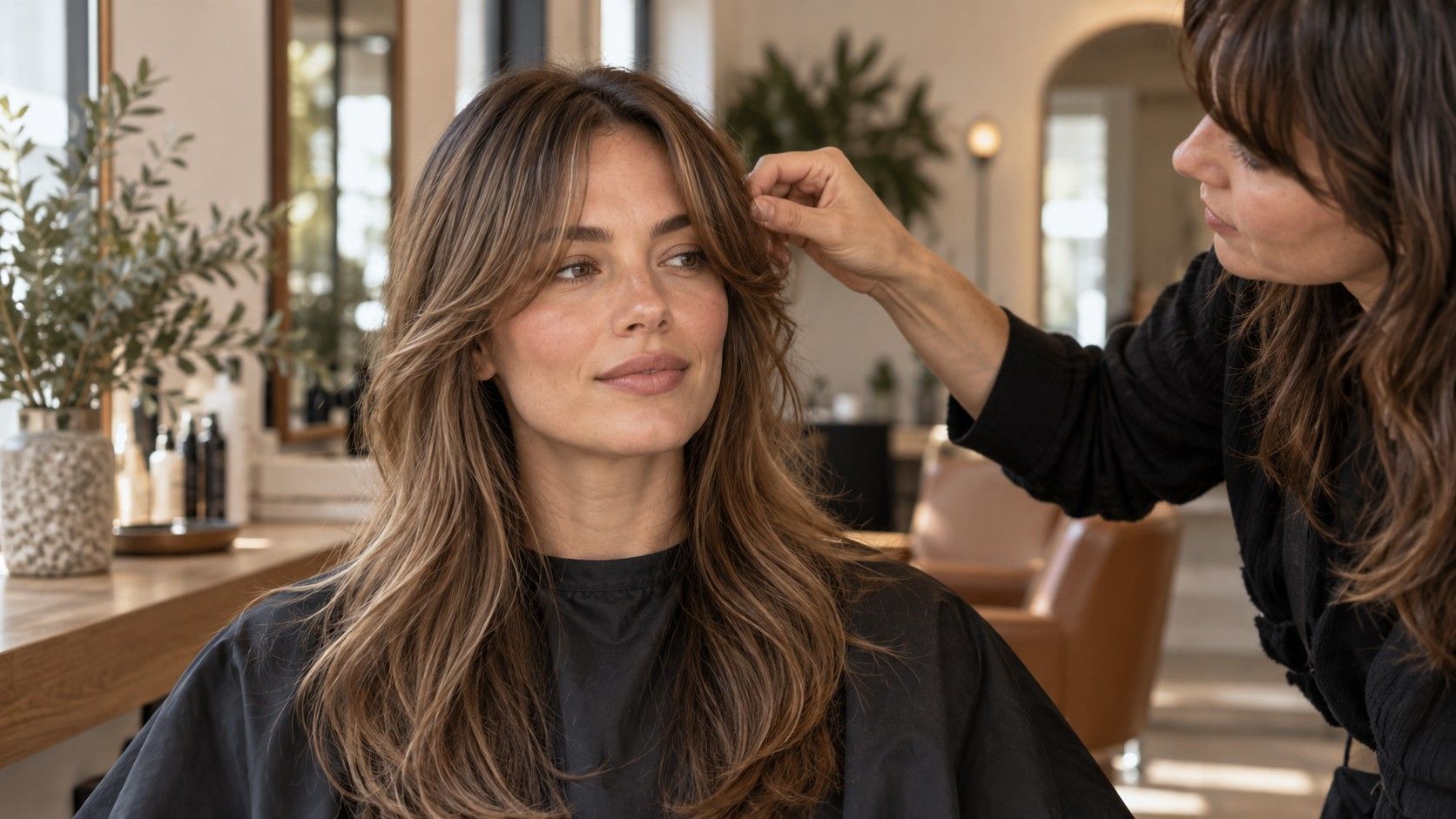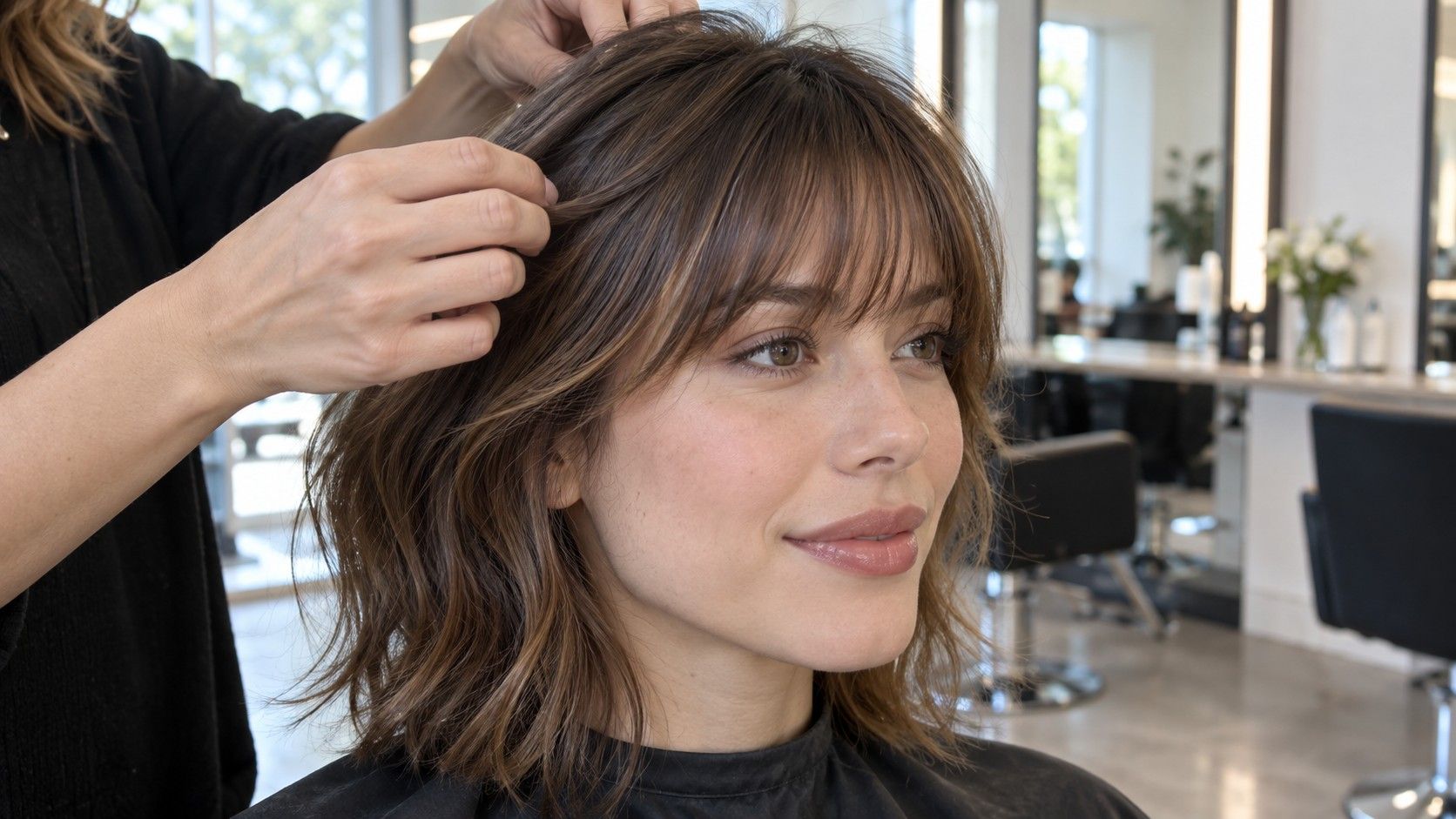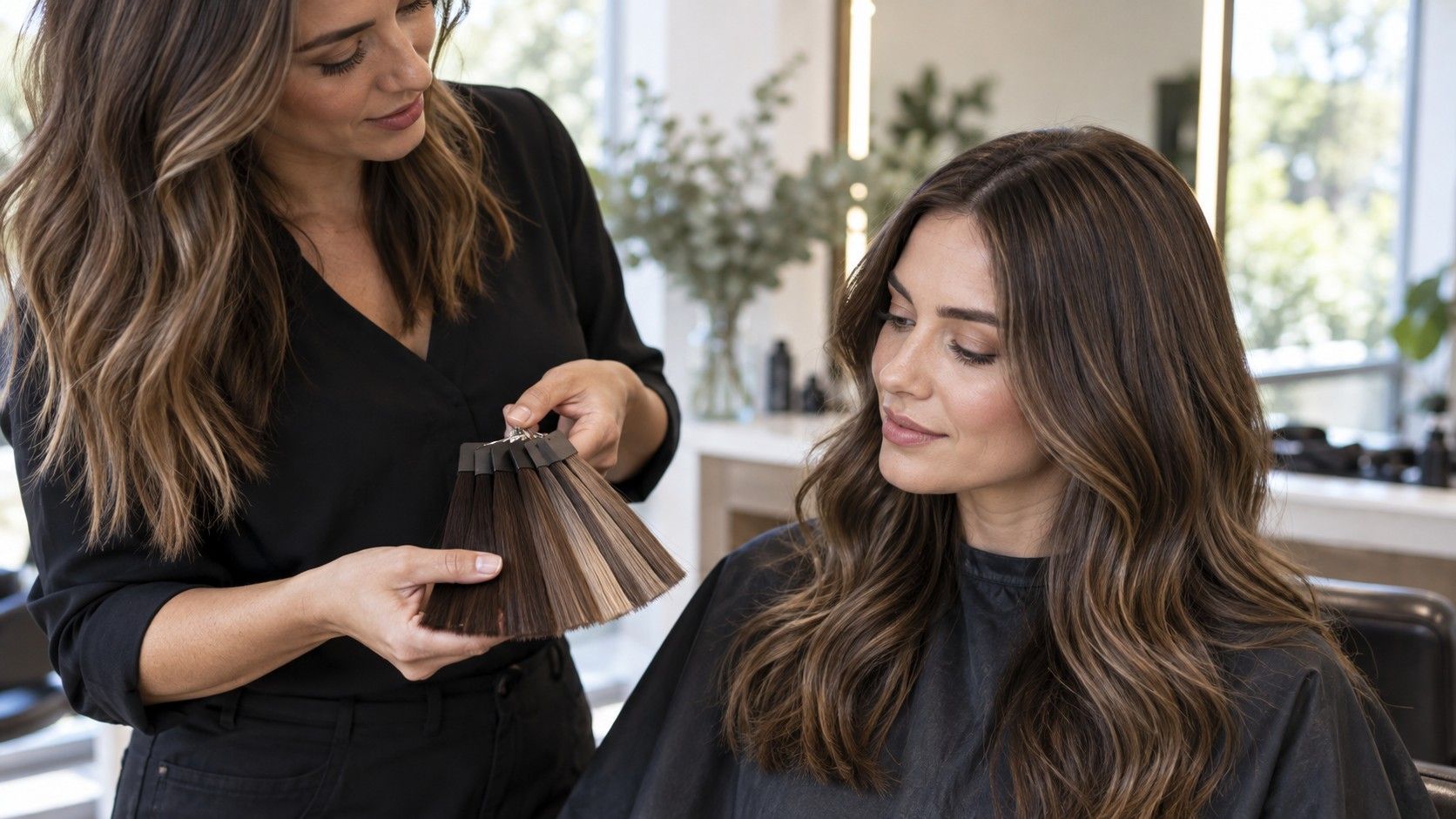
A neutral undertone can feel like an unhelpful answer when you are trying to select a hair colour. In practice, it gives you room to choose: you can borrow from warm and cool families, then let your natural base, contrast, routine, and taste decide the final direction. The aim is not to pass a colour test but to find a shade you will still enjoy after the salon shine has settled.
Use the neutral label as a starting point, not a verdict
Neutral skin can show both rosy and golden notes, sometimes on the same person and sometimes in different light. That is why the jewelry test is only a clue. If silver and gold both look fine, it may mean you have flexibility, not that every hair dye formula will behave the same near your face.
Start with what has already worked. Look at candid photos from the last year: did a beige blonde, espresso root, chestnut gloss, or soft auburn sweater make you feel most like yourself? Photos taken outdoors are more useful than filtered selfies. They reveal how your existing hair depth sits beside your brows and natural skin colouring.
Pick a direction before naming the exact shade
The best hair color for neutral skin tone is often described as balanced: neither very icy nor unmistakably orange. Beige blonde, neutral chocolate, chestnut, soft black-brown, and restrained copper are sensible places to start. But balanced does not have to mean bland. A slightly warmer face frame on a neutral brunette can be more interesting than a single all-over tone.
Choose the effect you want when you enter the salon. Do you want the colour to look quiet and polished, brighter around the eyes, darker and more graphic, or warmer in sunlight? That sentence helps a colorist translate a broad undertone label into placement, level, and toner choices. It is more useful than asking for a shade simply because it is said to suit neutral skin.
| If you want | A possible direction | Watch for |
|---|---|---|
| A subtle change | Neutral gloss over the natural base | Choosing too dark a formula for a temporary service |
| Brighter movement | Beige or caramel ribbons | Highlights that begin too close to the root |
| More depth | Chocolate, chestnut, or black-brown | A solid shade with no dimension |
| A warmer experiment | Soft copper or strawberry pieces | Committing to permanent colour before testing |
Choose blonde, brunette, or red by depth and upkeep
Blonde is not one decision. A neutral beige blonde can be easy to wear when it is close to your natural level, while a high-lift icy blonde requires a different schedule, products, and tolerance for roots. Ask how many lifting sessions are realistic from your present hair, particularly if the lengths hold old colour or feel dry at the ends.
Brunette offers equally broad choices. Neutral chocolate tends to read soft; espresso adds contrast; chestnut brings visible warmth without becoming copper. Red is best approached with the same honesty. A transparent auburn gloss can show whether you enjoy warmth, while a permanent vivid red has fading and refresh appointments built into the choice.
Work out why a neutral shade can still feel wrong
Sometimes the problem is not undertone at all. A colour can be technically neutral but too light against dark brows, too dark against a pale natural root, or too flat for textured hair. A mirror in salon lighting may conceal that until the first wash. Ask to see a swatch beside the root and near the mid-lengths, not just held against a white cape.
Makeup and clothing can also change the read. A cool mauve lip may make a golden highlight appear stronger; a warm foundation can make an ash gloss look unusually grey. There is no need to coordinate everything, but bring the colourist a recent unfiltered photo and mention the shades you wear most often. That gives more context than the word neutral alone.
Test a change gently when you are undecided
A gloss, demi-permanent colour, lowlights, or a few face-framing highlights are useful trial formats. They let you see a new direction through workdays, weather, and your normal styling rather than under one dramatic salon blowout. A strand test is especially important after dark box dye, henna, bleach, or a long period of hard-water buildup.
Keep the first change narrow enough that you can describe what happened. Perhaps the beige pieces were perfect but too close to the scalp, or the chestnut depth was right while the red reflection felt too strong. Specific feedback turns the next appointment into an adjustment, not another complete gamble.
Give the colorist a reference note that can be acted on
Bring reference photos showing your preferred depth, not only a perfect end result. Explain whether you want to keep a visible root, how often you can return, and whether you usually air-dry or heat-style. A practical salon reference note might be: neutral medium brown, a little brighter around the face, no orange, and low-contrast regrowth.
Before you leave, ask what the colour will do as it fades and when to book a gloss or toner. Take a daylight photo and save the formula notes if the salon provides them. Hair colors for neutral undertone are easiest to refine when you have a real starting record rather than a vague memory of a shade that seemed almost right.
There is also value in setting a maintenance limit before the formula is mixed. Decide whether a visit every six to eight weeks feels normal, whether you prefer a longer gap, and whether at-home toning sounds enjoyable or tiresome. A beige blonde with a soft root, a dimensional brunette, or a demi-permanent warm gloss can all be adjusted to fit that answer. The most useful colour choice is not the one that wins under salon lights; it is the one whose fading pattern and regrowth you can live with while the rest of your routine stays simple.
Keep the photo from that first week. At a follow-up, it can show whether the change you notice is genuine fading, a shift in lighting, or simply a different styling day. That evidence makes a gloss or toner choice much less guessy.